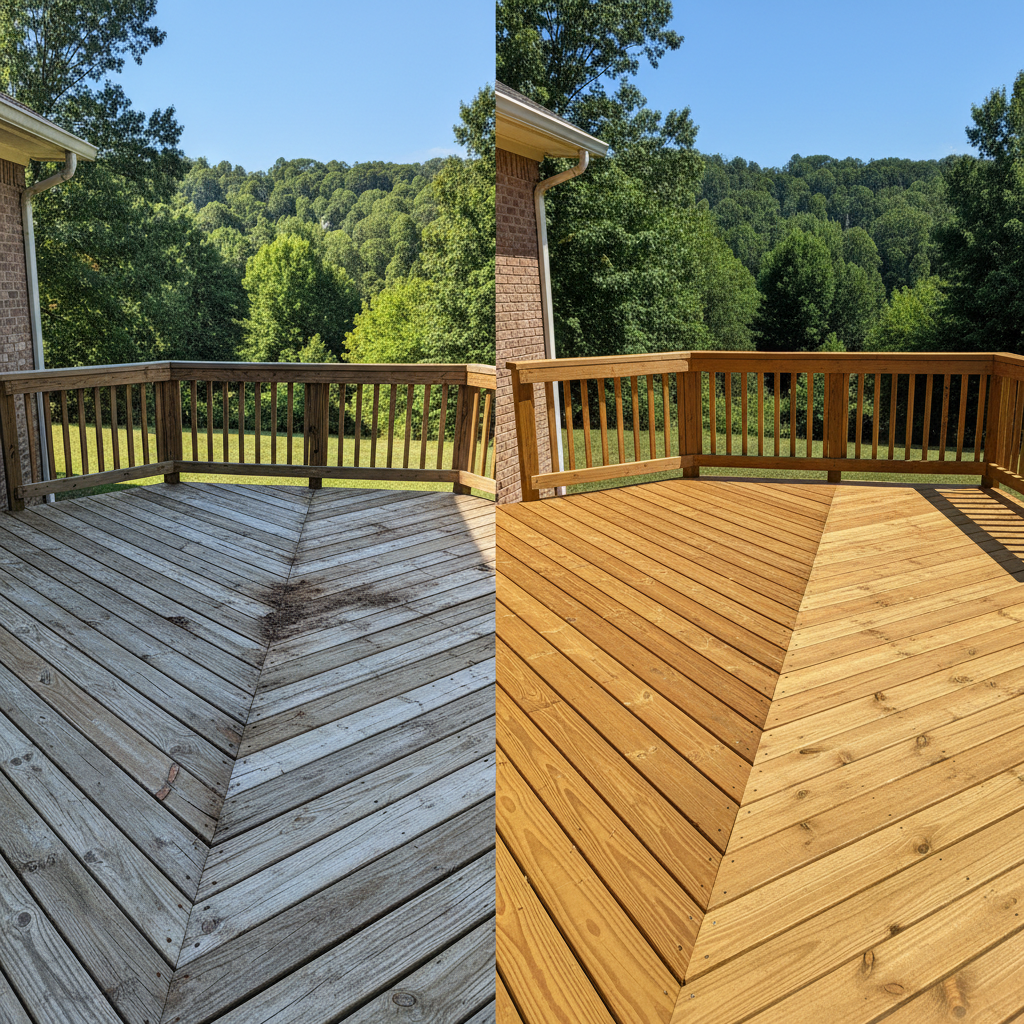
Alright, let's talk decks. You're looking to build one, or maybe replace an old one, and you're staring at a couple of big choices for materials. Around here in Sevierville, I see folks usually weighing two main options: good old pressure-treated pine or one of the many composite decking products out there. Both have their place, but knowing the real differences is key before you spend your hard-earned money.
The Upfront Cost: Where Your Wallet Feels It First
Let's not beat around the bush; cost is almost always the first thing on people's minds. Generally speaking, pressure-treated pine is going to be your most budget-friendly option upfront. You can get a pretty solid, good-looking pine deck for significantly less than a composite one. This is because the raw material itself is cheaper to produce and process.
Composite decking, on the other hand, comes with a higher initial price tag. Sometimes it can be double or even triple the cost of pressure-treated lumber, depending on the brand and specific product line you choose. If your budget is tight and getting a deck built *now* is the priority, pine often wins this round hands down. But don't stop reading yet, because upfront cost isn't the whole story, is it?
Durability and Longevity: How Long Will It Last?
This is where things start to balance out a bit. Pressure-treated pine, especially the stuff we use today, is treated to resist rot, decay, and insect infestation. It's tough, and it'll last you a good long while if you maintain it properly. I've seen pine decks in the Gatlinburg Arts & Crafts Community that are decades old and still kicking, thanks to regular care.
However, wood is still wood. It's going to expand and contract with our crazy Sevierville weather – those hot, humid summers followed by freezing winters. This movement can lead to warping, cracking, and splintering over time. You'll also deal with fading from the sun. Composite decking, made from a blend of wood fibers and recycled plastics, is engineered to be much more stable. It resists rot, insects, splintering, and fading far better than pine. Most quality composite brands offer warranties for 25 years or even longer, which tells you something about their expected lifespan. They don't warp or crack like wood, and they hold their color much better.
Maintenance: Your Weekend Chores
Here's the big one for most homeowners. With a pressure-treated pine deck, you're signing up for some regular maintenance. Every year or two, you'll need to clean it thoroughly, and then re-stain or seal it. If you skip this, your deck will gray out, splinter, and eventually start to decay. It's a commitment of time, effort, and money for cleaning solutions, stains, and sealers.
Composite decking is often called