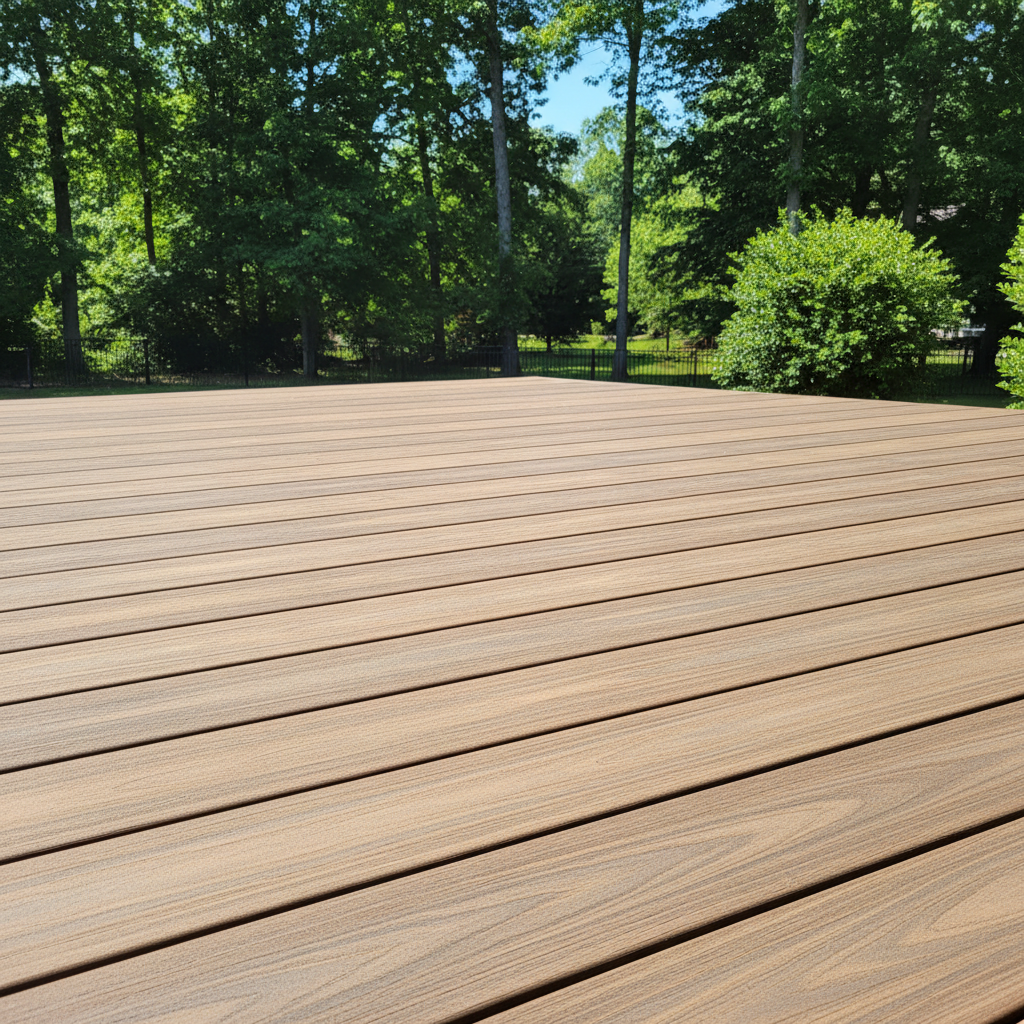
So, you're thinking about a Trex deck for your place here in Sevierville? That's a smart move. I've built a ton of 'em, and composite decking, especially Trex, has come a long way. It's tough, looks great, and honestly, it's a lot less hassle than wood in the long run. But before you dive in, there are some things you really ought to know. Let's talk about what you can realistically do yourself and when it's just plain smarter to bring in a professional.
Before You Even Buy a Board: Planning & Permits
First off, don't even think about buying materials until you've got a solid plan. I'm talking about more than just a sketch on a napkin. You need to know your deck's size, shape, and how it's going to attach to your house. This is where a lot of folks get tripped up.
- Design: You can certainly sketch out your dream deck. Think about how you'll use it – grilling, entertaining, just relaxing with a view of the Smokies. Look at some Trex galleries online for ideas. But turning that idea into a buildable plan with proper footings, joist spacing, and ledger board details? That's usually a job for someone with design experience or a good contractor.
- Permits: This is non-negotiable, folks. You absolutely need a building permit from Sevier County. They'll want to see detailed plans, and they'll inspect the work at various stages. Trying to skip this step is asking for trouble down the road, believe me. A good contractor, like us at Ace Decking, handles all the permit drawings and inspections for you. If you're DIYing, you'll be responsible for submitting those plans and scheduling those inspections yourself. Make sure your plans meet local codes, especially for things like railing height and stair rise/run.
- Foundation: This is critical. Sevierville's soil can be tricky, especially in some of those hillside developments where you might hit rock or have significant grade changes. You can dig the post holes yourself, but getting the depth right, ensuring they're below the frost line (which is usually 18-24 inches around here), and making sure they're perfectly aligned and level? That takes precision. If your footings aren't right, your whole deck will suffer.
During the Build: DIY vs. Pro Hands-On
Okay, you've got your plans, your permit, and your materials. Now for the actual construction. This is where the rubber meets the road.
- Framing: This is 100% where I recommend hiring a pro unless you've got serious carpentry experience. The structural integrity of your deck depends on a perfectly built frame. Joist hangers, ledger board attachment, beam sizing, bracing – it's all got to be spot on. A mistake here isn't just cosmetic; it's a safety hazard. Plus, Trex is heavy, and working with long, heavy joists and beams requires a crew and the right tools.
- Decking Installation: This is where a handy homeowner can shine. Once the frame is built and inspected, laying the Trex boards is more manageable. Trex has hidden fastener systems that make for a clean look, and they're pretty straightforward to use if you follow the instructions. You'll need a good miter saw, a drill, and a few specialized tools for the hidden fasteners. Just remember to leave proper gapping for expansion and contraction, especially with our hot Sevierville summers and chilly winters. Don't rush it, and measure twice, cut once.
- Railing: Similar to decking, installing Trex railing systems can be a DIY project if you're patient and follow the manufacturer's guide. There are different styles, and they all have specific installation steps. Make sure your posts are plumb and secure, and pay close attention to baluster spacing for safety.
After the Build: Keeping Your Trex Deck Looking Great
One of the biggest perks of Trex is how little maintenance it needs compared to wood. But